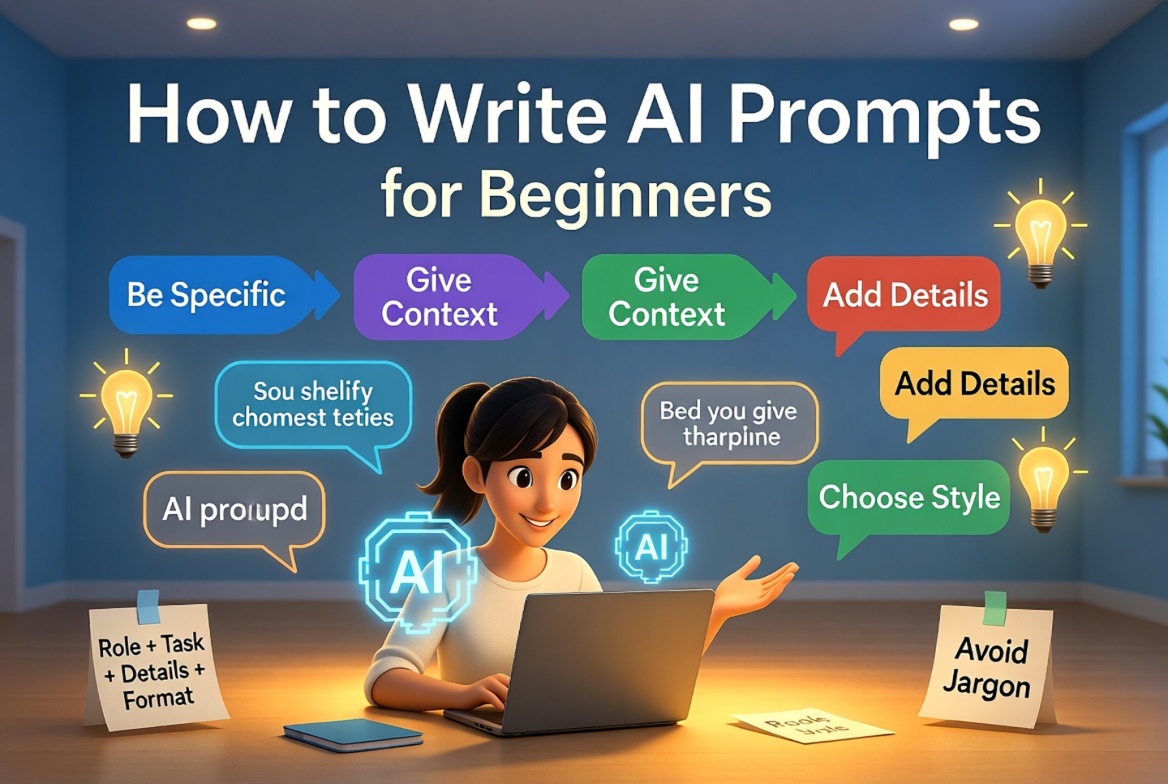
Writing AI Prompts for beginners
Got your chat app open - maybe ChatGPT, maybe Claude, could be Gemini. Type a question. Back comes an answer that misses the point entirely. Ring any bells? Plenty of people start out confused. Newcomers often hit walls with AI prompts - not since the technology's complex, yet due to missing clear guidance on communication. Here’s what shifts things: expertise in coding isn’t required.
Grasp a handful of basic ideas instead, then watch responses improve fast. This guide walks through each step of creating AI prompts, starting at the beginning. How to shape clear requests comes next. Thoughts build from simple ideas toward more complex ones. After that, examples show how wording shifts results. Each part connects naturally, without forced jumps. What works gets explained, followed by what does not. Details appear only when needed. The flow stays steady, never rushing ahead.
What An AI Prompt Actually Is?
Right first - before any advice lands here, clear up what matters most. A question sets the direction when talking to a machine. Picture it as the first thing said in any chat - the words chosen, along with their order, decide what comes out later. Picture stepping into a café. Not standing silent, waiting for someone to read your mind. Instead, words come out - like, “A medium oat milk latte, thanks.” The sharper the request, then the less time it takes to land in your hands. Machines learn just like people do - through practice and feedback.
Out there, tools such as ChatGPT or Claude run mainly on how machines understand words and learn patterns - so what you say steers what comes back. Shaping those inputs well? That's something people call prompt crafting. It matters because small tweaks shift results. Most folks won’t get prompt engineering right on the first try. Still, knowing just a bit about how it works can spare you loads of wasted time.
Your Prompts Shape Results More Than Expected
Here's a quick reality check. Aimless questions bring flat answers. Picture asking for just "marketing stuff" - what comes back feels recycled, hollow. Swap that with precision: try requesting a post on five upcoming tactics built for tech sellers online by next year. Sharp requests spark sharper results.
Shape your words well, suddenly the machine works better beside you.
What sets things apart is not some artificial brain. It’s who you are. Here’s the truth: words matter less than delivery. What counts is whether an AI truly gets what you mean. That connection? It comes from prompts built with clarity, nothing more. Wrong questions can lead to fake-sounding replies that aren’t true at all. Clearer ones tend to pull out real details instead of guesses. Sometimes it's just about how you ask.
The Four Part Guide For New Learners
A simple plan works better. What matters is something steady you can count on. Most times a good prompt works best when someone sets the role first - telling the AI who to be. That part shapes what comes next, like shifting into character before speaking.
Then there's the thing needing done, clear but not stiff - the actual job at hand. Details matter here, so limits or rules show up early, tucked where they fit naturally. How answers should look or sound follows close behind, guiding tone, format, or structure without rigidity. Each piece fits together, not stacked, just flowing from one thought to another. Let's break each part down with real examples.
1. Role Define AI Identity
A fresh role shifts how the answer turns out. What you call it shapes what comes next. The label rewires the reply. Name matters more than most expect. Swap the title, get a different outcome. Calling it something new alters everything underneath. Instead of: "Give me interview tips." Try: "You are a senior HR manager at a tech company. Give interview tips to fresh graduates applying for their first job." Start by picturing the AI as a seasoned attorney when diving into tricky legal territory.
Shifting its role can reshape how it sounds, making replies feel sharper or more relaxed. A different persona often brings a different rhythm to the words that come back. Most folks miss how much tone shifts when the task changes. It adapts without fuss - word choice, detail level, even stance - all shaped by what it's told to be. Quietly effective.
2. Know Your Goal Clearly
Most new learners slip up right here. Being unclear causes it. A story needs shape before it begins. Who is it for - grown-ups or kids? Length matters just as much as mood. Funny beats serious differently on the page. Genre shapes everything, whether sci-fi or fable. Vague asks bring flat replies every time. Details pull weight when words must count. Clarity cuts through noise without effort. Specifics make the difference nobody skips. Start by asking what the output must look like.
Picture the result before any steps begin. Think about format, structure, details needed. Show clear examples if possible. Skip vague ideas, aim for specifics instead. Focus on one version of success. Build from there without adding extra features. Always check if it matches the goal.
3. Details That Actually Matter
This bit comes down to giving AI something like a step-by-step sketch, just as someone once described it. A painting made in darkness misses what light reveals. When directions come with background, the result stops guessing where it should go.
Missing details leave gaps that shape confusion instead of clarity. Guidance works better when it carries the full picture, not just fragments tossed into empty space. Word count, tone, audience - these shape what needs to go in. How it should sound matters just as much as structure. Specific details must appear, others stay out. Format plays a role too, fitting the purpose. Each piece follows invisible boundaries set ahead of time.
4. Tell AI What to Do
This covers format. Want bullet points instead? How about a numbered list then? Maybe a table works better here? Could an essay fit the task? Because gaps exist, AI fills them silently. Picture the result before asking. Rules shape answers - write those down too. Make sure it knows exactly what you mean.
Write Clearer AI Prompts with These Simple Steps
Use natural conversational language
Talking to a machine does not demand robotic speech. Start by talking to the machine like you would to a person. One key thing? Use words people actually say. Instead of stiff phrases, go for how thoughts come out when chatting.
That flow helps the system catch your meaning faster. Shape each request like a real moment between humans. The more normal it sounds, the clearer the result tends to be. Here’s the thing - drop the stiff way of talking. Talk like you’re telling a buddy about it over coffee. Keep it real, keep it clear. That’s all there is to it.
Be Specific
A single instance shows how much clarity can change things. Start close to Harvard Square, yet a vague question might send you across the ocean. Picture typing something broad - suddenly listings pop up from England instead. Zero in by naming the state, even the landmark nearby.
Toss in details like foot travel range, maybe mention a well-known campus spot. Specifics act like filters, quietly weeding out distant matches. Precision shapes outcomes without shouting for attention. Specificity holds strength. Use this thinking across each request you create.
Define Who You Are Talking To And How
Tell AI who will be reading the output. "Give me ideas for a best man's speech that is funny and heartwarming but appropriate for a family audience" will generate better results than just "Write a best man's speech." What people know shapes how words land - tone, jokes, polish, depth - all at once. A shared starting point steers every choice without extra effort.
Specify the output format
Start by explaining the outcome, then detail each step clearly. Delivery matters more than words on a page. Think about timing, format, tone. Show exactly how tasks should unfold. Skip vague ideas. Focus shifts when method comes first. Clarity grows through structure. What gets said is less important than how it lands. Start by picturing what happens when you show an AI the steps to get ready for a job talk. One method tosses in a request like listing five clear ideas on that topic. Instead of guessing, it lines up thoughts just how you asked.
Think of each point stepping into place without extra noise. A nudge such as this shapes the output quietly. The result? Neat chunks of useful detail - nothing more Some alternatives are tables or step-by-step numbering, even brief sections of text. A code snippet might work too, or perhaps a ready-made message layout. Clarity helps. More styles exist beyond these. Say what you mean.
Give examples when possible
Examples are incredibly powerful for getting consistent, on-brand output. Start by showing the model how you want answers shaped. Offer clear samples - input plus expected result. Watch it mirror your pattern closely.
See? Each example acts like a guidepost. Follows form when structure is visible. Responds closer to expectation if shown before. Shape matters more than rules sometimes. For instance: "Write three professional email subject lines similar to: 'Quick question about next week's meeting.'" - Now AI knows exactly the style and tone you're after.
Treat It Like a Conversation Instead of a Single Request
Most new people believe the first attempt has to nail it exactly. That is not true. Start simple. A single idea can grow later. Build step by step instead of packing every detail at once. Tweak how you say things - swap words, shift rhythm, adjust mood.
Shape the response slowly through back-and-forth. Think out loud like two people solving something side by side. Start by checking the initial reply - if it falls short, shape it into something better. Point out what slipped through. Guide the next attempt with clear notes on changes needed.
Ask for Several Choices
Most folks overlook this. Yet it shines quietly. Start by skipping the single email request - reach out for three versions instead, each shaped differently to spark your thinking. Skip counting small; if you’re hunting ideas, aim high. Not five. Thirty. Starting fresh often sparks better ideas when choices exist. One stands out, usually after a pause, then shaping it begins slowly instead of rushing ahead.
Beginner Errors and Ways Around Them
Mistake 1 Being Too Vague
Vague prompts often produce vague results. "Write about leadership" is a weak prompt. "Write a short paragraph explaining three leadership skills for new managers" is far better. A single precise term feeds the machine. It sharpens your own thinking too.
Mistake Two Using Too Much In One Prompt
Break it down instead of piling it all in one massive block. Too many directions at once might trip up an AI. Focus on one thing instead. Start by slicing up any tricky task into steps that follow one after another. Think of it as building a path, not just listing dreams. Each piece moves the next forward.
Mistake 3 Not Improving Over Time
Most times the first try misses the mark. Missing the mark does not mean falling short - it means moving forward. Start by trying a question once. When the reply misses the mark, tweak how you asked. Change some words. See what happens when you rephrase. Want it clearer? Request fewer complex terms. Need more clarity? Invite extra illustrations. First attempts rarely stick. Adjust. Repeat. Watch responses shift slightly each time. A rough start is normal. Revision shapes it later.
Common Prompt Types Everyone Should Be Aware Of
Some prompts differ from others. Take a look at the key kinds below Start by asking what something means when using informational prompts. These help explore subjects without pushing an agenda. Picture someone wanting to understand machine learning clearly.
A question like that opens doors instead of closing them. Clarity comes through straightforward wording rather than jargon. Think simple explanations, not complex theories. The goal shows up in the request itself - just lay out the basics Creative prompts - Used to generate ideas, stories, or content. Example: "Write a short story about a scientist who time-travels and accidentally alters history."
Start here if you need clear steps to follow. Picture building a resume piece by piece, one move at a time. Think of it like walking through tasks slowly, each part shown plainly. Instead of guessing what comes next, someone lays out every single stage. This kind of direction keeps things moving without confusion. It works well when details matter most. For instance, shaping a strong résumé means knowing exactly which sections go where.
Each phase fits after the last, smooth and logical. Not rushed, just laid bare Fixing up written stuff happens here. Take a sentence that already exists, then make it clearer or fix mistakes in how it's put together. One way to start? Ask something like: Rewrite this so it’s easier to understand and uses correct grammar Role-based prompts - Assign a persona to shape the response. Example: "You are a career coach.
Give some interview tips to fresh IT graduates." When AI tools get talked about more, job givers start wanting folks who know how to work them. Starting out? Getting familiar might just open your eyes to what artificial intelligence really means.
A Simple Prompt Template to Help You Begin
Here's a ready-to-use structure you can copy and adapt: Example in action: A solid prompt stands out right away. One part sets the scene by naming a clear role. The next piece lays down the actual job to do. Specific needs come through in short, direct points. Each step gets spelled out without extra noise.
The Bigger Picture Why This Skill Matters
Most jobs now need solid prompt-writing skills - this is no longer optional. A strong way to work better with AI starts with how you frame your requests. Working well with prompts still matters a lot in plenty of jobs tied to artificial intelligence. Since AI shows up more in how companies operate and people create, using smart prompting methods turns it from just something that follows orders into a tool that helps push new ideas forward while getting things done faster. Starting out isn’t hard.
Zero experience with code? That’s fine. Natural language shapes most AI prompts, which means newcomers pick up prompting fast - no programming required. Length stays put. Curiosity matters most - add a dash of trial here, a touch of risk there. Start anywhere; stumble forward. Wonder pulls more than rules ever could.
Final Thoughts
Most people think crafting good AI prompts takes natural ability. It does not. Learning how works better than waiting for inspiration. Practice shapes results more than instinct ever could. Begin at the beginning. Think of it like setting a stage - first, name who you are speaking as.
Then lay out what needs doing, clearly. Follow that by listing what must be met or included. After comes the step-by-step how. Offer background so it makes sense. Define how it should look when done. Above all, go back, tweak, adjust, repeat. A machine thinks just like you tell it to. Yet when words come out sharp and true, its strength shows up in quiet ways.
Start now. Pick your favorite AI app, test a clear instruction, then notice what shifts right away. One way to start is by checking what experts say about asking questions the right way. Some schools have put together clear notes on how to talk to machines through text. Look at guides made by people who teach or support tech use every day. A few colleges offer step-by-step ideas that actually work in real situations. Even organizations helping folks find jobs share useful tips on forming prompts. Each resource shows small changes that make a big difference in results.
They agree on certain basics without using fancy terms or vague claims. Reading them side by side reveals patterns worth noticing. Clarity matters more than complex wording when directing artificial intelligence. Simple structure helps get better replies from smart systems fast.
Sources: MIT Sloan Teaching & Learning Technologies — Effective Prompts for AI; Harvard University Information Technology — Getting Started with Prompts; Atlassian Work Life — The Ultimate Guide to Writing Effective AI Prompts; Goodwill — How to Write AI Prompts: Best Practices; Sheridan College Library — Prompting Basics.